
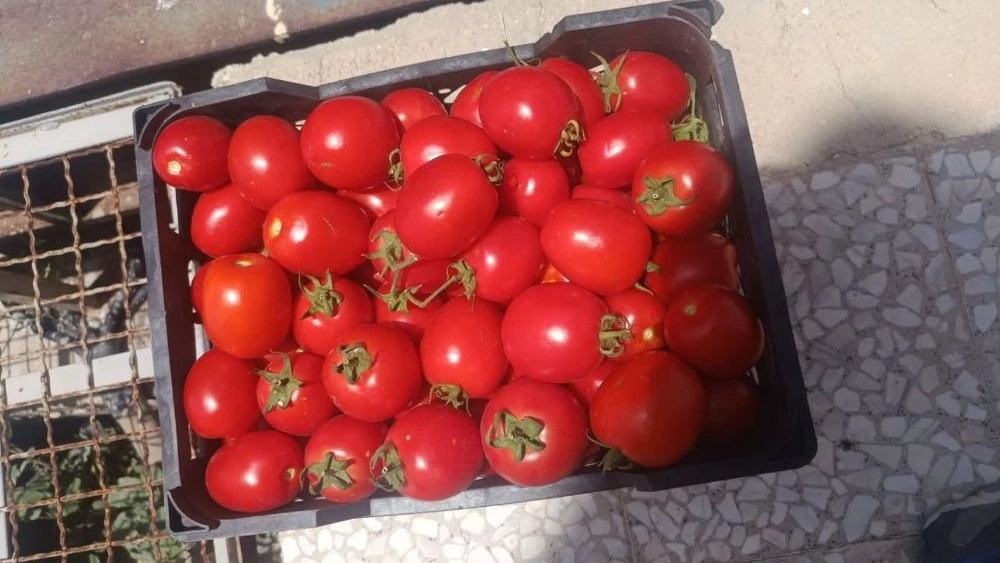
The economic importance of tomato export for international markets
Tomato quality standards for export
- Texture firmness and shelf life: Exported tomatoes must be firm enough not to be damaged during transportation.
- Uniformity in color and size: Products placed in the same shipment must be uniform in terms of size (caliber) and degree of ripeness.
- Physical health: Absence of any cracks, pathogen stains, pests or Damage caused by freezing.
- Poison Residual Level (MRL): Laboratory tests must confirm that the amount of chemical toxins and heavy metals in the product is lower than the limit of destination countries.
The role of modern packaging in maintaining the quality of cargo
Logistics process and cold chain in export
- Pre-cooling: Rapid lowering of the temperature of the product immediately after harvesting to reduce the respiration rate of tomatoes.
- Transfer to a controlled cold storage: Storage at an optimal temperature (usually between 8 and 12 degrees Celsius depending on the degree of ripening).
- Transportation with refrigerated containers (Reefer Containers): Precise adjustment of temperature, humidity and air conditioning along the way. Transit.
Knowing the target markets and analyzing the competitors
- Russian market: Due to its climatic conditions, this market has a very high demand for tomato imports in the cold seasons of the year. Russia applies strict quarantine standards and it is mandatory to obtain the necessary health certificates.
- Persian Gulf markets: These countries are very suitable destinations for land and sea transportation due to their short distance. Buyers in this region focus a lot on appearance quality and luxury packaging.
- European Markets: The European Union has the strictest regulations on agricultural pesticide residues and environmental issues. To enter this area, exporters must obtain international certificates such as GlobalGAP.
The role of technology in improving the quality and processing of green vegetables
Key challenges in the path of agricultural export
- Exchange rate fluctuations and customs fees: Sudden changes in customs laws in countries of origin and destination can cause financial planning problems.
- Climate changes: Drought, sudden frost or unexpected heavy rains affect the quality and amount of production.
- Strong international competition: Countries like Turkey, Morocco, and Spain are fierce competitors in the target markets, and maintaining market share requires stability in quality and continuous supply.
- Providing a reliable logistics chain: Lack of standard refrigerated containers during peak harvest seasons is one of the constant concerns of exporters.
Benefits of cooperation with Dadnam food industry in export development
- Sustainable supply chain: Direct connection with a network of leading farmers for continuous and high-quality supply of goods in different seasons of the year.
- Compliance with international health standards: Strict monitoring of the production process and the use of quality control laboratories to ensure the health of the products.
- New and exclusive packaging: Use of resistant cartons and baskets with standard design to preserve Product freshness during long journeys.
- Facilitation in customs affairs and goods clearance: Mastery of international trade laws and acceleration of the export process to different countries.
Strategies for developing market share in target countries
- Participation in international exhibitions: Participation in major food industry exhibitions in the world to introduce potentials and communicate directly with major buyers.
- Diversification of export products: Offering different types of tomatoes such as cherry, olive and cluster tomatoes that are popular in European markets.
- Stability in the supply chain: International buyers are looking for business partners who to be able to provide their needs regularly throughout the year.
- Focus on branding: Creating a positive mental image of the brand and presenting products in stylish and certified packaging.