
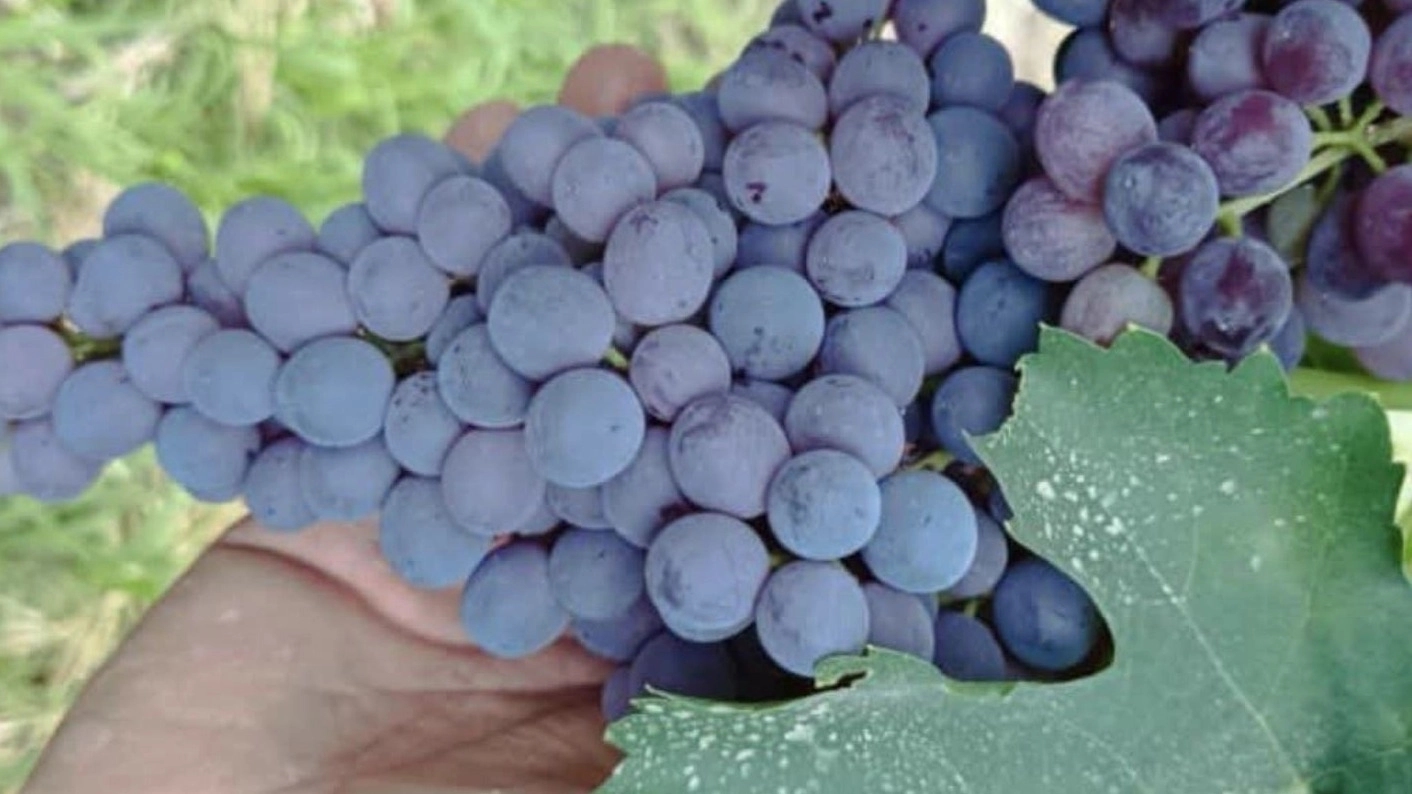
Iran, as one of the main agricultural poles in the Middle East region, has a unique potential in the production and export of horticultural products. In the meantime, Khuzestan province has become one of the most important regions for the production of high-quality and early grapes due to its special climatic conditions, fertile soil and access to abundant water resources. The growing demand of international markets for the purchase of high-quality Iranian grapes shows the necessity of creating a specialized center for the export of grapes to Europe and Eurasia from Khuzestan Iran. In this article, we examine the different aspects of production, standards, challenges and export opportunities of Khuzestan grapes to European countries and the Eurasian region.
Climatic potentials of Khuzestan in the production of export grapes
Khuzestan province has provided ideal conditions for the cultivation of various grape varieties due to its good sunshine and mild winters. Grape harvest in this province usually starts earlier than other regions of the country, which is considered a unique competitive advantage in the world markets. The youth of Khuzestan's product allows the exporters to take a major share of the demand of the target markets before the products of other countries enter the market.
Grapes produced in this region have prominent features such as good taste, good sugar content and long shelf life. These features are exactly the factors that buyers are looking for in the European and Eurasian Economic Union markets. Taking advantage of modern knowledge of horticulture and modern irrigation systems in the vineyards of Khuzestan has brought the quality of the final product to the level of international standards.
The importance of the European Union and the Eurasian market for the export of grapes
The market of European Union and Eurasian Economic Union member states (such as Russia, Kazakhstan and Belarus) are among the largest fruit and vegetable markets in the world. Due to their weather conditions, these markets are not able to meet their domestic demand for tropical and sub-tropical fruits for a large part of the year. Therefore, importing high-quality grapes is one of the commercial priorities of these countries.
Entering these markets requires a detailed understanding of customs laws, health standards, and consumer preferences. European countries are very sensitive about the residue of agricultural pesticides and the physical health of the product. On the other hand, the Eurasian markets, especially Russia, attach special importance to continuous supply volume and standard packaging, in addition to quality. The activity of a specialized center for exporting grapes to Europe and Eurasia from Khuzestan Iran plays a key intermediary role in adapting domestic production standards to the needs of these demanding markets.
The role of the specialized center for the export of grapes to Europe and Eurasia from Khuzestan Iran in the supply chain
A specialized center acts more than a commercial intermediary. These centers manage the export process by creating an integrated supply chain, from the cultivation monitoring stage to the packaging and shipping of the product. The main duties of these specialized centers can be summarized in the following:
- Training and guiding farmers: Transferring technical knowledge to gardeners in order to reduce the use of chemical toxins and increase the appearance quality of grapes.
- Sorting and scientific grading: Separation of damaged bunches and classification of grapes based on size, color and sugar content.
- Modern packaging: Designing packaging that, in addition to beauty, allows air flow inside the carton preserve and prevent the fruit from crushing.
- Cold chain management: Storing the product in advanced cold stores immediately after harvesting to maintain freshness and increase shelf life.
Quality standards and quarantine rules in target markets
Exports to European countries need to obtain valid international certificates such as GlobalGAP. This certificate shows compliance with the principles of sustainable agriculture and product health for the consumer. In addition, checking pesticide residue levels (MRLs) in accredited laboratories is an undeniable step in the clearance process at European points of entry.
In the Eurasian area, strict rules are enforced by regulatory bodies such as the Russian Agricultural Health Monitoring Organization. The plant health certificate issued by Iran's Plant Protection Organization must accurately confirm that the shipment is free from any quarantine pests. A specialized center for the export of grapes to Europe and Eurasia from Khuzestan Iran, equipped with cooperating laboratories and experienced experts, controls all these legal and quality procedures before the shipment leaves the borders of the country to prevent the products from being returned.
new packaging; The key to success in international markets
Packaging export grapes plays a vital role in maintaining the appearance quality and preventing its spoilage during long transportation routes. The use of low-quality plastic baskets or cartons without proper ventilation will quickly lead to a drop in quality and a sharp decrease in the price of the product at the destination.
Nowadays, controlled atmosphere storage bags (MAP) and sulfur dioxide generator papers are used in advanced export centers. By controlling the amount of moisture and gases around the fruit, these technologies stop the growth of fungi and molds and increase the shelf life of grapes by several weeks. Export cartons must have an attractive design and complete product information in English or Russian languages to maintain the commercial identity of the product in the destination markets.
Logistics and transit transportation; From Khuzestan to Europe and Eurasia
One of the main challenges in fresh fruit business is managing time and speed of transfer. Grapes are a perishable product and delays in transportation can destroy the entire shipment. Transit routes from the origin of Khuzestan to the destinations of Eurasia are usually carried out through the northern borders of the country (such as the Anzali port and the Astara border). Türkiye's land routes and sea routes in the south of the country are also used for transportation to Europe.
Using modern refrigerated containers with the ability to accurately adjust temperature and humidity along the route is mandatory. The ideal temperature for transporting grapes for export is usually between zero and one degree Celsius. The precise adjustment of the cooling systems prevents the loss of quality or freezing of the clusters. Fast customs coordination at the borders is also an important part of successful logistics, which is facilitated by specialized centers using experienced clearance experts.
The position of Dadnam food industry in the development of grape export
In the path of developing non-oil exports and improving the position of Iran's agricultural products in the world markets, the presence of capable and experienced groups plays a decisive role. As one of the pioneers in the field of processing, packaging and export of agricultural products, Dadnam Food Industries has been able to take great steps in this field by relying on its modern infrastructure.
This collection, with a detailed understanding of the needs of European markets and Eurasian countries, applies strict standards in all stages of grape supply and preparation. Close interaction with Khuzestan gardeners, use of advanced sorting and standard packaging equipment, as well as intelligent cold chain management, are among the features that have made Dadnam Food Industries a reliable business partner for foreign buyers. Focusing on preserving the nutritional value and freshness of the fruit, this collection has kept Iran's brand proud in the international markets.
Challenges of grape export route and solutions to overcome them
The international trade of fresh fruits is always associated with many challenges. Among these challenges, we can mention exchange rate fluctuations, financial transfer problems, customs administrative bureaucracies, and fierce regional competitors such as Türkiye and Chile. To compete in this tight market, Iranian exporters must adopt smart strategies.
Reducing production costs by increasing productivity per hectare, using new packaging methods to reduce waste, and establishing bilateral commercial agreements with target markets are key solutions to overcome these problems. Also, active participation in international food exhibitions will help to introduce the quality of Iranian grapes as much as possible. Export groups such as Dadanam Food Industries always try to turn these challenges into growth opportunities by constantly analyzing market behaviors and adopting flexible approaches.
The future prospects of Khuzestan grape export
Due to the increase in global demand for fresh and organic fruits, the export prospects of Khuzestan grapes are considered very bright. Planning for the development of vineyards equipped with sheds (canopies) to protect against sunburn, cultivation of new and popular seedless varieties, as well as strengthening the country's refrigerated transport fleet, can significantly increase Iran's share in the European and Eurasian markets.
Investment in the sector of transformation industries and nano packaging can also act as a strong driver in this field. The development of the activities of a specialized center for the export of grapes to Europe and Eurasia from Khuzestan Iran can pave the way for the stronger entry of the private sector by integrating the processes.